

Table of Contents
- What Defines Luxury Home Decor and Interior Design Today
- Quiet Luxury Interior Design: Timeless Over Trendy
- How to Style a Luxury Rental Home Without Renovating
- Living Room Luxury: Styling the Room That Sets the Tone
- Artisanal Home Decor Brands: What to Look For
- Smart Home Integration in Luxury Decor
- Common Mistakes in Luxury Home Decor and Interior Design
- Conclusion
- Frequently Asked Questions
Last Updated: September 16, 2026
What Defines Luxury Home Decor and Interior Design Today
Luxury home decor interior design is the practice of furnishing and styling a home with pieces chosen for craftsmanship, material quality, and longevity rather than trend cycles or brand logos. According to Merriam-Webster's definition of luxury, the word describes something adding pleasure but not indispensable, which is exactly the tension designers work with: nothing in a luxury room is strictly necessary, yet everything in it feels intentional.
Craftsmanship, Materials, and the Details That Matter
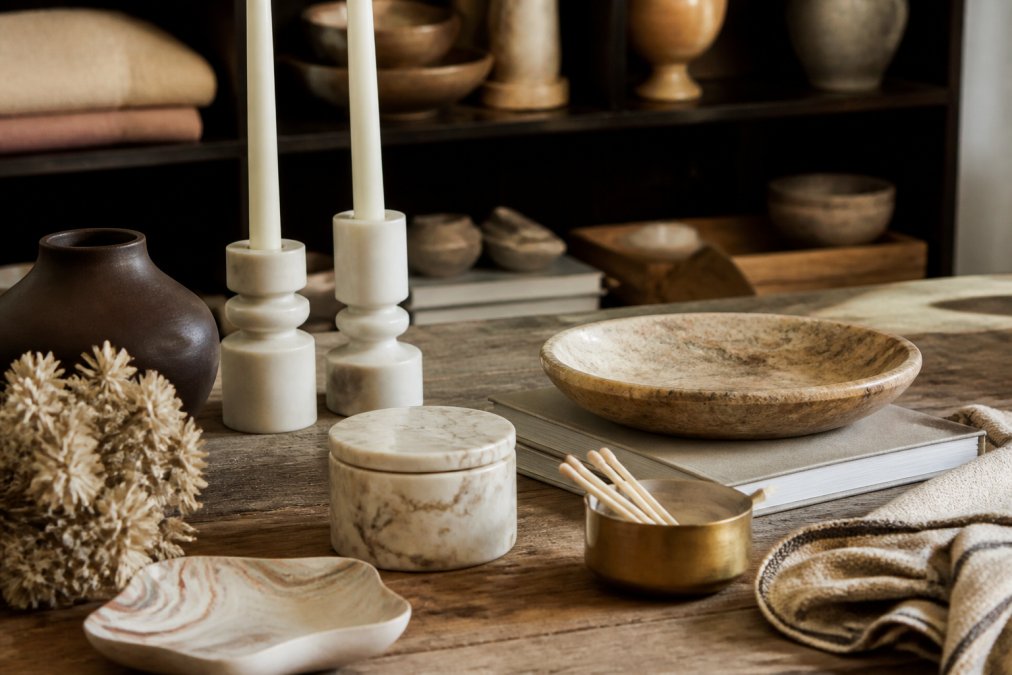
Craftsmanship is the single clearest marker of luxury decor, and it shows up in small places: joinery you can feel with a fingertip, glazes with slight variation from piece to piece, upholstery that holds its shape after years of use. A common mistake is judging a piece by its silhouette in a photo instead of its construction in person.
The Psychology of Luxury Spaces
Luxury interiors work on the nervous system before they work on the eye. Low, warm ambient lighting, generous negative space, and textural layering signal calm and safety; harsh overhead light and crowded surfaces do the opposite. This is why a minimalist room with three exceptional pieces often feels richer than a full one.
Quiet Luxury Interior Design: Timeless Over Trendy
Quiet luxury interior design favors restraint: a muted palette, natural materials, and shapes that won't date. Instead of chasing seasonal design trends, the approach invests in a small number of refined pieces and lets texture and finish carry the visual interest.
How to Style a Luxury Rental Home Without Renovating
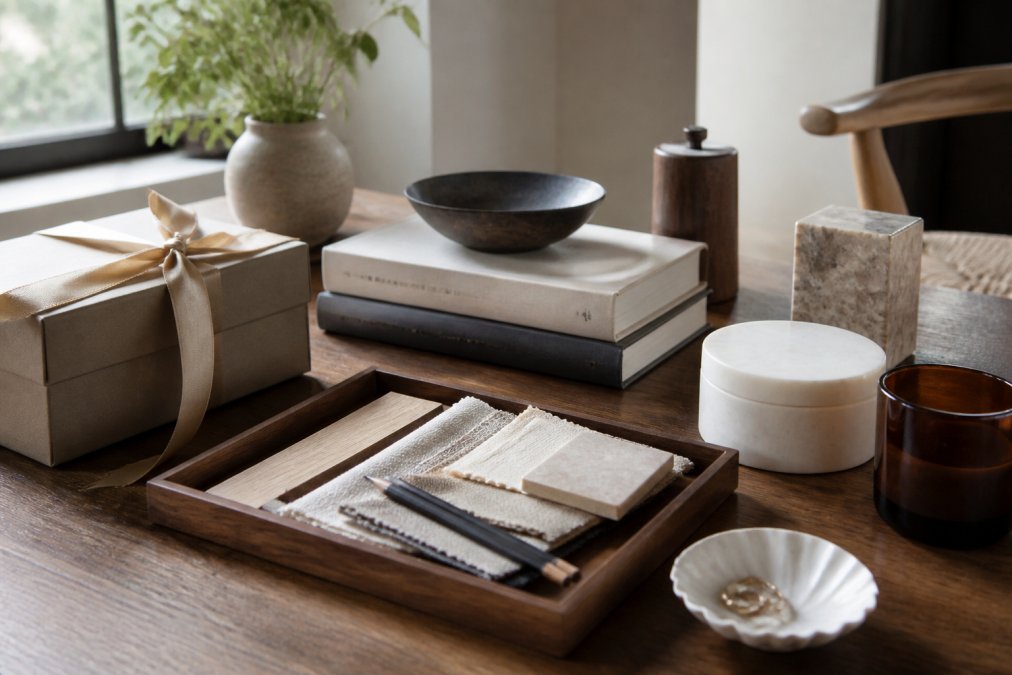
Styling a luxury rental home comes down to layering what you can take with you. Rugs, lighting, art, and accessories do the heavy lifting; walls and floors stay untouched.
- Ground the space with a large rug that defines the seating area.
- Light it with floor and table lamps on warm bulbs, avoiding the overhead fixture entirely.
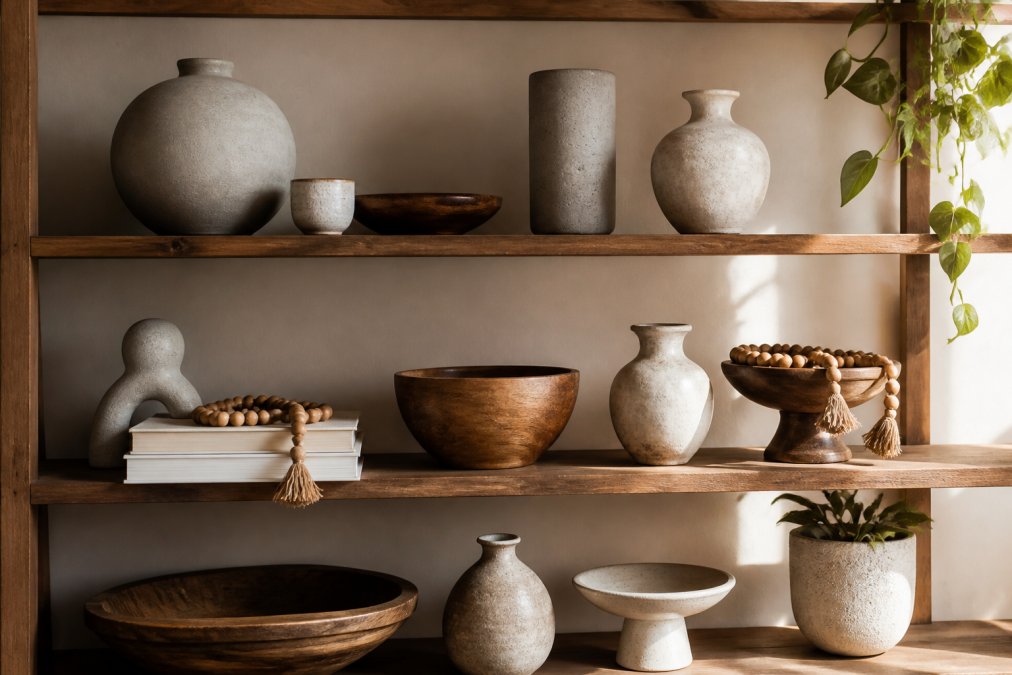
- Layer the surfaces with books, ceramics, and textiles that reflect your taste.
Living Room Luxury: Styling the Room That Sets the Tone
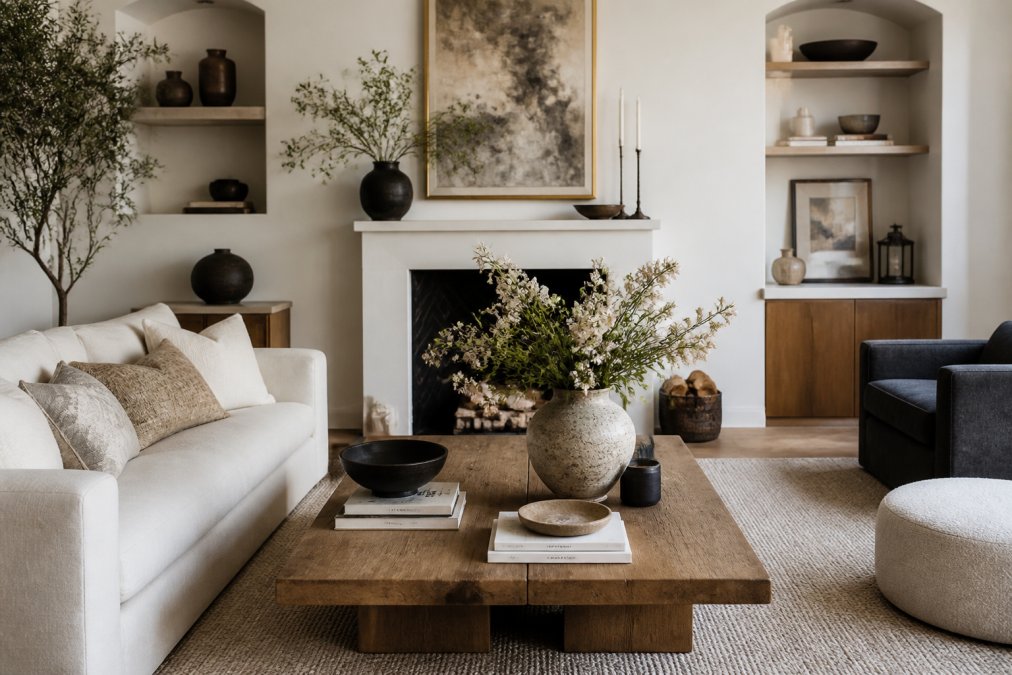
Living room luxury is built on one focal point and a restrained supporting cast. Pick the element you want the eye to land on, whether that's a fireplace, a piece of art, or a statement sofa, then let everything else support it quietly.
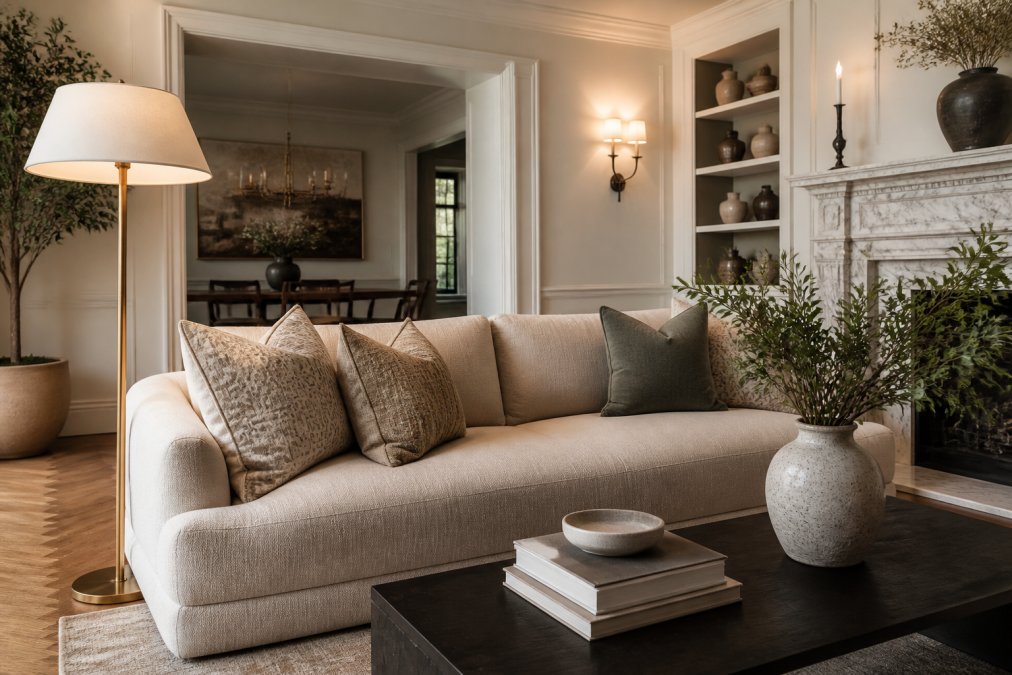
Updating Fixtures and Hardware for a High-End Finish
Swapping fixtures and hardware is the highest-return change in luxury decor, and it's the one most people skip. Cabinet pulls, faucets, and light switch plates are small surfaces that the eye touches constantly. Replacing builder-grade hardware with solid brass or brushed nickel, and choosing a consistent finish throughout, makes a room read as considered rather than assembled.
Artisanal Home Decor Brands: What to Look For
Artisanal home decor brands earn trust through transparency: who made the piece, what it's made from, and what happens to the money. Look for makers who describe their materials and process plainly, and who can tell you where a piece was produced.
The questions worth asking before you buy:
- Does the maker name the material and the finish?
- Is the production process described, or just the aesthetic?
- Does the brand explain its sourcing relationships?
- Is there a clear answer about giving back, if that's part of the pitch?
Sustainable Luxury: The Angle Most Guides Skip
Most luxury decor coverage stops at aesthetics. The more useful question is whether a piece is made in a way that lets you keep it for decades without guilt or replacement. Sustainable luxury is not a separate aesthetic; it is a set of material and construction choices that happen to look and age better.
- Solid wood over veneer. Solid hardwood can be sanded, re-oiled, and repaired. Veneer over particleboard usually cannot. A solid oak or walnut table may cost more upfront, but it can be refinished multiple times across its life.
- Natural, low-VOC finishes. Hardwax oil, linseed oil, and water-based lacquers off-gas far less than conventional polyurethane and are easier to spot-repair. This matters most in bedrooms and small rooms with limited airflow.
- Natural fibers over synthetic blends. Wool, linen, cotton, jute, and hemp biodegrade and age with character. Polyester blends shed microplastics in the wash and pill faster under daily use.
- Repairable joinery. Traditional mortise-and-tenon, dovetail, and dowel joints can be tightened and repaired. Staples and glue blocks often cannot.
- Traceable sourcing. A maker who can name the mill, the tannery, or the quarry is usually a maker who has visited it. Vague language like "premium materials" is a signal to ask more.
Investment-Grade Decor: Buying Pieces That Hold Value
Sustainable luxury and investment-grade decor overlap more than people expect. A piece made from solid wood with traditional joinery can be repaired and refinished; a veneered piece usually can't. That repairability is what makes decor investment-grade: it holds value because it holds up.
- Signed or documented studio furniture from makers with an established secondary market.
- Mid-century and earlier pieces with original finishes and provenance, where condition drives price more than trend.
- Hand-knotted rugs in wool or silk, which are valued by knot density, material, and origin.
- Limited-edition or numbered art and objects where the edition size is documented.
- Solid brass, bronze, and hand-forged metal fixtures, which can be refinished rather than replaced.
How to Vet a Maker in Ten Minutes
A short, repeatable process:
- Read the product page for materials, not adjectives. If the page describes the feeling of the piece but not the species of wood or the fiber content, that is a gap.
- Look for a care and repair page. Makers who expect their pieces to last publish how to maintain them.
- Check whether the maker names their suppliers or partners. Named relationships are a stronger signal than generic claims.
- Ask one specific question. "What species of wood is this, and what finish is on it?" A confident, specific answer tells you more than any brand story.
- Compare construction, not silhouette. Two sofas can look identical in a photo and differ entirely in frame joinery, cushion fill, and fabric rub count.
Buy fewer pieces, buy them well, and plan to keep them for a decade or more. That's the whole strategy, and it is also the most reliable path to a home that reads as genuinely luxurious rather than merely expensive.
Smart Home Integration in Luxury Decor
Smart home integration in luxury decor succeeds when the technology disappears. The goal is lighting, climate, and sound that respond to you without a visible panel of switches or a tangle of cables on the console.
Three rules keep it elegant:
- Hide the hardware. Route cables, conceal hubs, and choose devices that match your finish palette.
- Automate lighting scenes, not gadgets. Warm dimming at dusk does more for atmosphere than any app.
- Keep one manual override. Guests and power outages both happen.
Technology should serve the room's serenity, never interrupt it.
Common Mistakes in Luxury Home Decor and Interior Design
The most common mistake in luxury home decor is buying statement pieces before establishing a palette. Without a defined base, even beautiful objects compete instead of harmonizing.
Other frequent errors:
- Filling every surface, which removes the negative space luxury depends on.
- Matching everything exactly, which reads as a showroom rather than a home.
- Ignoring lighting, then wondering why the room feels flat.
- Buying for the photo rather than the daily experience of the room.
Conclusion
Building a home that feels genuinely luxurious takes patience, a clear palette, and the discipline to buy fewer, better pieces. The Rooted Home curates luxury home decor and handcrafted goods from artisans worldwide, supports monthly charitable partnerships with every purchase, and offers a collection built around timeless design. Browse the shop or sign up for updates to start with pieces you'll keep for years.
Frequently Asked Questions
What are the defining characteristics of luxury home decor?
Luxury home decor is defined by craftsmanship, premium materials, and attention to detail. Look for hand-finished wood, natural stone, and textiles like linen or wool. Design elements such as architectural details, ambient lighting, and a refined palette also signal quality. Sustainable sourcing and investment-grade pieces that age well are increasingly important. The overall effect should feel curated, not cluttered, with a sense of serenity and balance.
How can I incorporate luxury interior design elements into a rental space?
Focus on temporary upgrades: add a large area rug to define the space, and layer in high-quality textiles like velvet throw pillows and a wool blanket. Use artisanal home decor brands for statement pieces that can move with you. Always check your lease before making alterations.
What is the difference between mass-produced decor and artisanal luxury goods?
Mass-produced decor is made in high volumes with standardized designs, often using synthetic materials. Artisanal luxury goods are handcrafted in small batches, often by individual makers, with natural materials and unique variations. Artisanal pieces carry the maker's skill and may include subtle imperfections that add character. They are typically more expensive due to labor and material costs, but they offer longevity and a personal story that mass-produced items cannot match.
How do you balance modern trends with timeless luxury interior design?
Anchor your space with classic pieces: a neutral sofa, a solid wood dining table, or a hand-knotted rug. Then introduce trends through accents like throw pillows, artwork, or a seasonal floral arrangement. This approach lets you refresh the look without replacing major investments. Quiet luxury interior design favors enduring materials and silhouettes over fleeting fads, so choose trends that complement your existing palette and can be easily swapped out.
What role does craftsmanship play in high-end home styling?
Craftsmanship is the foundation of high-end home styling. It shows in details like dovetail joints, hand-stitched upholstery, and glazed ceramics. These elements add depth, texture, and a sense of history to a room. Well-crafted pieces often last decades, making them better value over time. When you invest in artisanal home decor brands, you're supporting skilled makers and bringing a level of quality that elevates the entire space.
How can I make my home feel more luxurious without a full renovation?
Start with lighting: add dimmable bulbs and a statement floor lamp. Layer in a large area rug, high-thread-count bedding, and plush towels. Display a few curated objects, like a handcrafted vase or a stack of coffee table books. These small changes create a sophisticated atmosphere without the cost or disruption of a remodel.
Luxury decor isn't a budget line, it's a series of deliberate choices repeated until the room feels inevitable. Start with one room, one palette, and one piece you truly love. Get started with The Rooted Home and build a space that feels warm, intentional, and unmistakably yours.


