

Table of Contents
- Where to Find Curated Boutique Home Decor
- How to Shop for Home Decor with Intention
- Evaluating Handcrafted Home Decor Quality
- Mixing Old and New Decor for Cohesive Interiors
- Responsibly Buying Home Decor
- Styling Your Curated Finds at Home
- Common Mistakes When Shopping for Boutique Decor
- Frequently Asked Questions
Last Updated: October 13, 2026
Where to Find Curated Boutique Home Decor
Finding the right pieces for your home starts with knowing where to look, and boutique home decor shopping is the best way to discover curated selections. The best boutique home decor shopping happens in places where curation matters, where someone has already filtered through thousands of options to find the exceptional few. At The Rooted Home, we believe this intentional approach to sourcing is what separates a beautiful home from a truly meaningful one.
Independent Boutiques and Local Shops
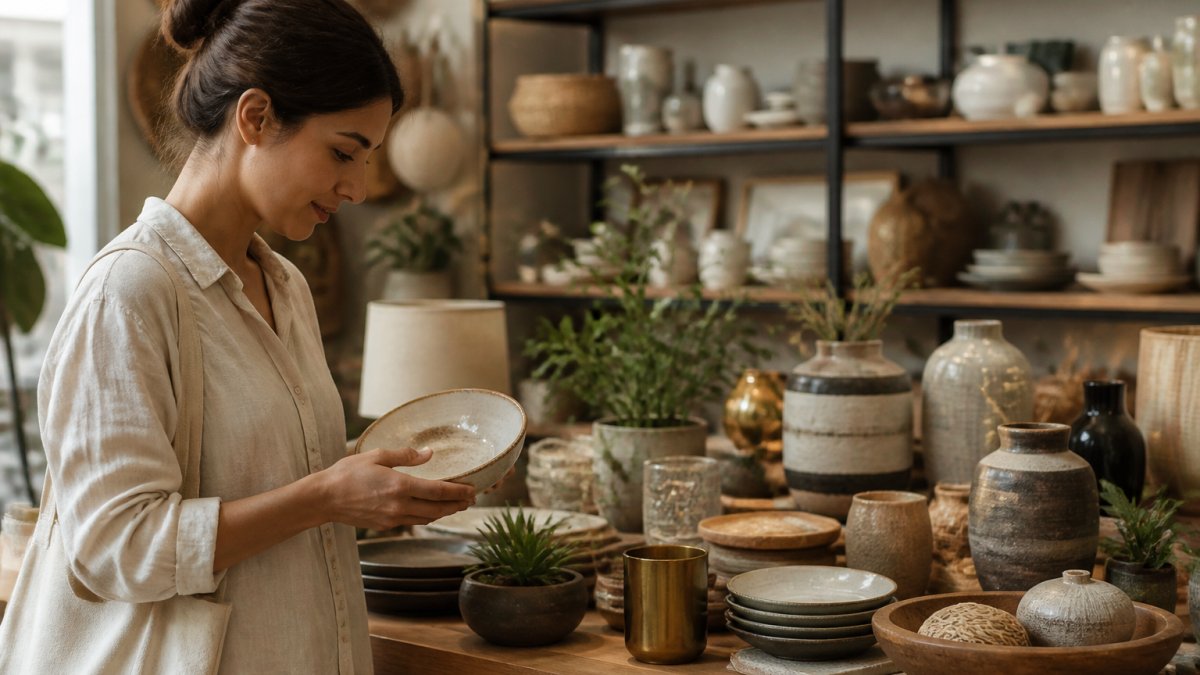
Independent boutiques are treasure troves for one-of-a-kind decor. These shops thrive on curation. The owner has personally selected every item based on quality, design vision, and artisan story.
When visiting independent boutique shops, ask the staff about the pieces. Most owners love sharing the story behind their inventory.
Look for boutiques in walkable neighborhoods and local shopping districts. Many independent retailers cluster in areas known for supporting small business. These neighborhoods often have a distinct character that reflects the quality of the shops inside them.
Antique Stores and Flea Markets
Antique stores and flea markets offer a different kind of curation, historical context mixed with discovery. You're shopping across decades of design history.
The challenge with flea markets is consistency. Inventory changes constantly. The vase you loved last week might be gone next time. But that's also the appeal, the hunt for unique finds creates genuine connection to the pieces you eventually choose.
When shopping flea markets, arrive early for the best selection. Bring a measuring tape and take photos of your space on your phone. This helps you visualize scale and proportion before negotiating.
Online Boutique Retailers
Online boutique retailers bring curated shopping to your screen. The advantage is access to artisans and makers worldwide without travel. You can browse handcrafted home decor from international artisans, read detailed descriptions, and see multiple angles of each piece.
How to Shop for Home Decor with Intention
Shopping with intention means knowing what you're looking for before you start. This doesn't mean you can't be surprised by unexpected finds. It means you have a framework that helps you evaluate whether a piece truly belongs in your home.
Define Your Personal Style and Color Palette
Start by identifying your design preferences. This isn't about following trends. It's about understanding what makes you feel at home. Do you gravitate toward warm neutrals or bold jewel tones?
Create a mood board. Collect images from Instagram, Pinterest, or design magazines that resonate with you. Look for patterns. You'll start seeing the colors, textures, and styles that appear repeatedly.
A strong color palette makes decorating decisions easier. When you're considering a piece, ask: does this fit my palette? If it doesn't, you'll likely move it around your home for months before eventually giving it away.
Measure Your Space and Assess Scale
Before shopping, measure your rooms. Note ceiling heights, wall widths, and the dimensions of furniture pieces. Bring these measurements with you or save them in your phone.
Scale matters more than most people realize. A beautiful vintage credenza might overwhelm a small bedroom. A delicate accent table could look lost in a spacious living room. Understanding your space prevents expensive mistakes.
Walk around your home and identify where you have empty wall space, gaps on shelves, or areas that feel incomplete. This helps you shop with purpose rather than buying items you hope will fit somewhere.
Create a Shopping Plan and Budget
Set a realistic budget before you start shopping. Decide how much you're willing to spend on decor this season. Then prioritize where that money goes.
Create a priority list. What rooms need the most attention? What pieces would have the biggest visual impact? This helps you allocate your budget strategically rather than spreading it thin across everything.
Boutique home decor often costs more than mass-market alternatives. Quality handcrafted pieces justify the price, but you need to understand the investment. Budget for the pieces that matter most to you.
Evaluating Handcrafted Home Decor Quality
Not all artisan-made pieces are created equal. Learning to evaluate quality protects your investment and ensures you're buying pieces built to last.
Assess Materials and Craftsmanship
Examine the materials closely. Quality matters in textiles, wood, metal, and ceramics. Run your hands over surfaces. Do seams feel secure? Are finishes smooth? Does the weight feel substantial?
With wooden pieces, look at the grain and finish. Solid wood costs more than veneer, but both can be beautiful if well-made. Check for uneven staining, rough edges, or visible glue.
For textiles, check weave density and fiber content. Quality fabrics feel different than cheap alternatives. They have weight and texture. Handwoven textiles often show subtle variations that mass-produced pieces lack.
Verify Provenance and Artisan Background
Know who made your piece. Ethical sourcing starts with understanding the maker's story. Where does the artisan work? What's their background? How long have they been creating?
Reputable boutique retailers provide this information. They can tell you about their artisan partnerships. They know the makers personally. This transparency builds trust and ensures you're supporting genuine craftspeople, not factory operations labeled as artisan-made.
Review Condition, Finish, and Durability
For vintage and antique pieces, assess condition honestly. Some wear adds character. Significant damage affects both beauty and durability. Ask about repairs or refinishing. Understanding a piece's history helps you decide if it fits your home.
For new handcrafted pieces, ask about durability. How should the item be maintained? What's the expected lifespan? Quality makers stand behind their work and provide guidance on care.
Mixing Old and New Decor for Cohesive Interiors
The most interesting homes blend eras and styles. A contemporary sofa paired with vintage side tables creates visual tension that feels intentional, not accidental.
Balance Contemporary Pieces with Vintage Finds
The key to mixing old and new is proportion. Don't fill your home with equal amounts of each. Anchor your space with one or two substantial pieces in your primary style, then layer in complementary items from other eras.
If your style leans contemporary, vintage pieces become accent elements, a single antique mirror, handcrafted textile, or artisan vase. If you love vintage aesthetics, contemporary pieces provide visual relief and prevent the space from feeling like a museum.
Use Styling Principles to Unify Different Eras
Repetition creates cohesion. Use color, texture, or material to connect pieces from different periods. If you're mixing a modern credenza with vintage chairs, tie them together through color or wood tone.
Scale and proportion matter. Pieces should feel balanced in relationship to each other. A delicate antique chair paired with a massive contemporary sofa needs a medium-sized accent piece to bridge the gap visually.
Responsibly Buying Home Decor
Your purchasing decisions support real people and communities. Responsible shopping means understanding the impact of where your money goes.
Research Ethical Sourcing and Artisan Partnerships
Ask retailers where they source their pieces. Do they work directly with makers or through middlemen? Direct relationships usually mean better artisan compensation and more transparency.
Look for certifications or partnerships with fair-trade organizations. These indicate commitment to ethical practices. Some retailers publish information about their supply chain. This transparency is a green flag.
Support Local and Independent Makers
Buying from independent artisans keeps money in communities. It supports small businesses and preserves traditional crafts. When you purchase from a local boutique, you're investing in your neighborhood's economy.
Many artisans sell directly through their own websites or at craft markets. Supporting them directly eliminates middlemen and ensures they receive fair compensation.
Understand Return Policies and Shipping
Before purchasing, read the return policy carefully. Can you return items if they don't work in your space? What's the timeline? Are there restocking fees?
Ask about shipping methods for fragile items. Quality retailers use protective packaging. They insure valuable pieces. They provide tracking information. These details matter for expensive handcrafted decor.
Styling Your Curated Finds at Home
Once you've purchased your pieces, styling them well makes all the difference. Thoughtful arrangement transforms individual items into a cohesive interior.
Apply Design Principles to Arrange Pieces
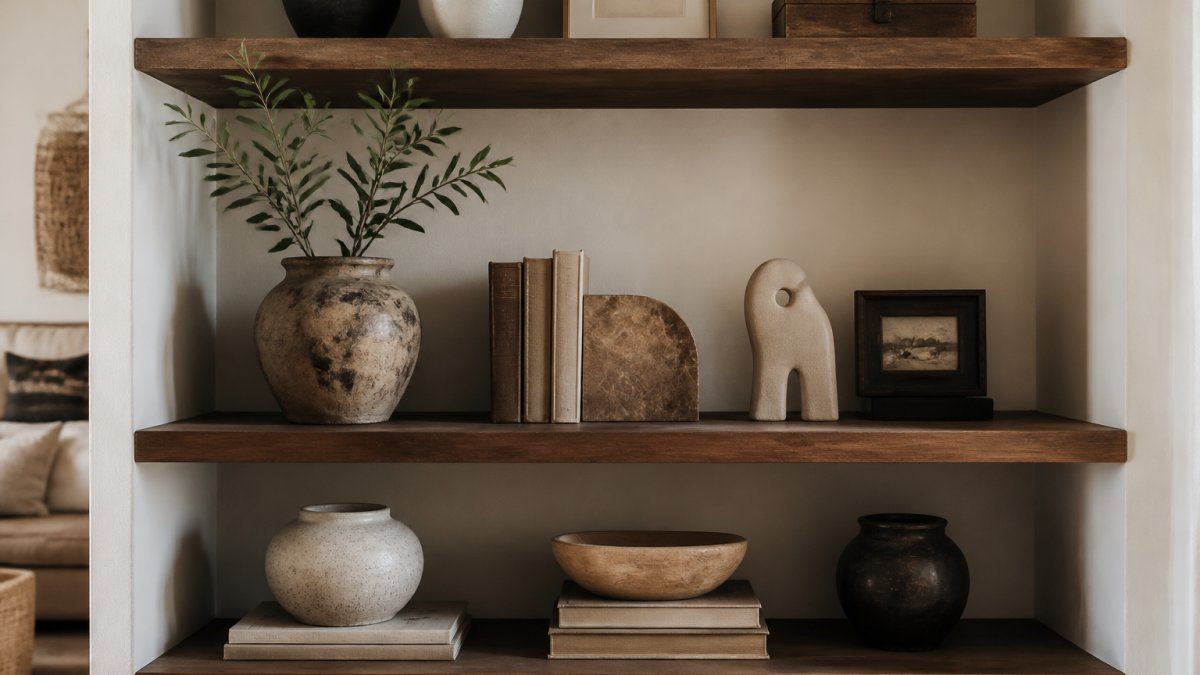
Use balance, proportion, and rhythm in your arrangements. Balance doesn't mean symmetry. Asymmetrical balance, arranging pieces of different sizes and weights, feels more dynamic and intentional.
Group items in odd numbers. Three vases create visual interest more effectively than two or four. Vary heights and scales when arranging objects on shelves or tables.
Create Focal Points and Visual Interest
Every room needs a focal point. This might be a statement piece of handcrafted furniture, an artisan mirror, or a carefully curated shelf display. The focal point draws the eye and anchors the space.
Layer your decor. Don't push everything against walls. Bring pieces into the center of rooms. Mix textures, smooth ceramic beside rough wood, matte finishes next to reflective surfaces. This textural variety creates visual depth.
Common Mistakes When Shopping for Boutique Decor
Understanding what to avoid saves time and money. Most shopping mistakes stem from impulse buying or ignoring your measured plan.
Don't buy pieces without checking dimensions. A gorgeous item in a showroom might overwhelm your actual space.
Avoid shopping when you're emotional or stressed.
Don't assume online photos accurately represent color. Lighting in photography differs from lighting in your home.
Don't ignore your style preferences to chase trends. Trendy pieces feel dated quickly.
Shopping for curated boutique home decor is an investment in your living space and the artisans who create beautiful things.
Frequently Asked Questions
How do I find unique boutique home decor without overpaying?
Start by visiting independent boutiques, flea markets, and antique stores in your area, where you can inspect pieces in person before committing. Online boutique retailers like The Rooted Home offer curated selections with transparent pricing and often provide detailed product descriptions and photos. Set a budget before shopping, ask about pricing flexibility at local markets, and research the artisan or maker behind each piece to ensure you're paying fair value for quality craftsmanship and ethical sourcing.
What should I look for when evaluating handcrafted home decor?
Examine the materials, finish quality, and construction details closely. Handcrafted pieces should show intentional design and skilled workmanship without major flaws. Ask the seller about the maker, materials used, and care instructions. Check for consistency in color and texture, and verify that joints, seams, and attachments are secure. For vintage or antique items, assess condition honestly and understand what restoration, if any, might be needed. High-quality handcrafted home decor balances beauty with durability.
How can I mix boutique decor with pieces I already own?
Start by identifying a unifying element: a color palette, material (wood, metal, ceramic), or design era. Mixing old and new decor works best when you balance statement pieces with neutral anchors. Place your new boutique finds strategically as focal points, then surround them with existing pieces that complement rather than compete. Use styling principles like scale, proportion, and grouping to create cohesion. Books like The Arranging Things or The Forever Home offer practical guidance on balance and composition for mixed collections.
How do I know if a boutique is responsibly sourcing home decor?
Ask the retailer directly about their sourcing practices, artisan partnerships, and any certifications or third-party verification they hold. Responsibly buying home decor means supporting makers with fair wages, ethical labor practices, and sustainable materials. Research the company's mission and values, and look for transparency about where pieces come from and who makes them. The Rooted Home, for example, partners with artisans worldwide and supports monthly charitable initiatives, demonstrating commitment to ethical sourcing and community impact alongside quality design.


